

Why Some Luxury Influencer Content Feels Fake (and How the Body Gives It Away)
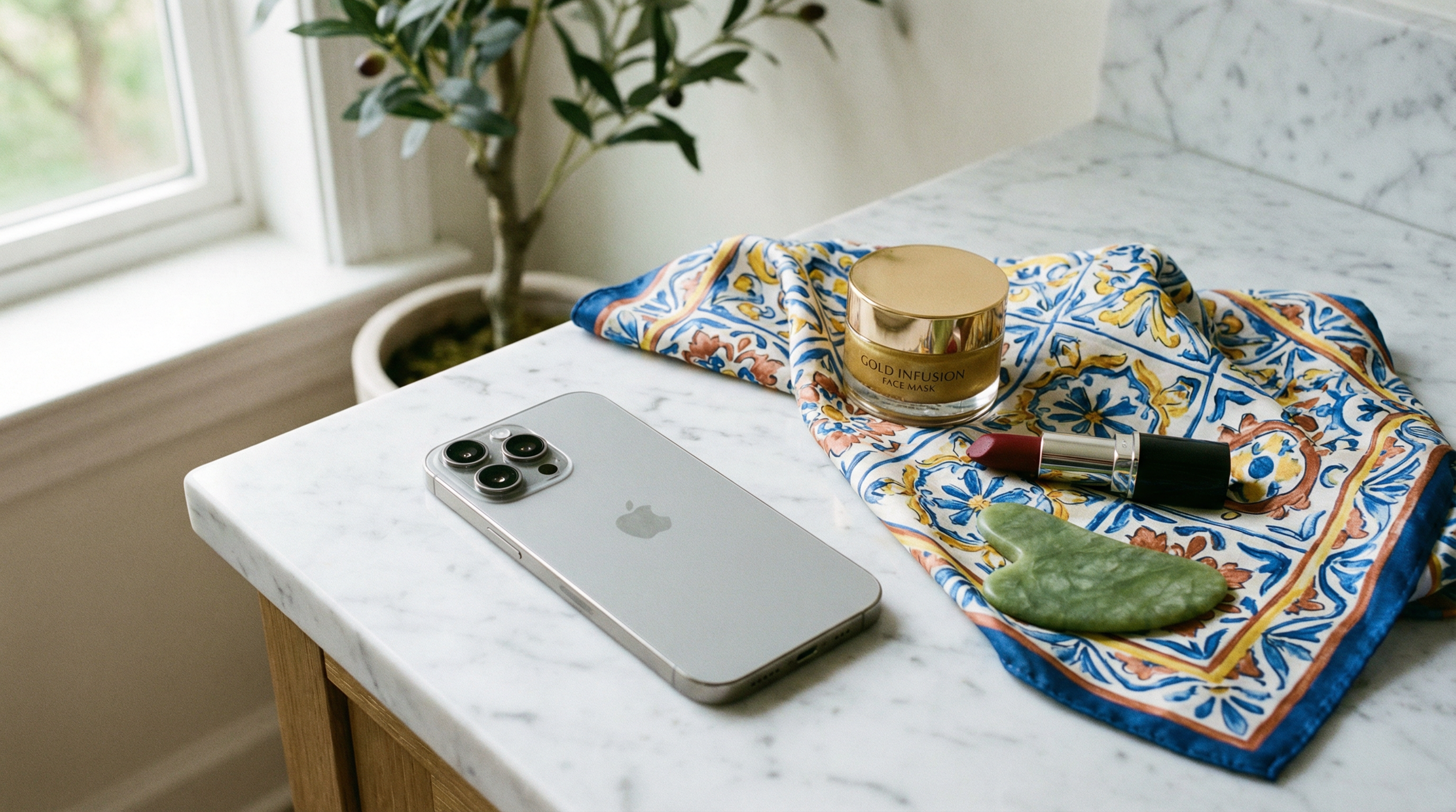
Image Credit: ID Content Production
We’ve all seen those "Get Ready With Me" (GRWM) videos where influencers lip-sync to the latest trending audio, seemingly without a care in the world. We are told this is "authentic" because it’s intimate, but we see through it instantly. The joy feels choreographed; the spontaneity, scripted.
In a digital landscape of hyper-surveillance, we are hard-pressed to find a genuine engagement with the "inner child" in public — let alone in front of a camera. Yet, we know that an apparent "love of life" (Joie de Vivre) sells.
The paradox is this: we crave emotional freedom, but we can instantly detect when it is being performed rather than lived.
Why?…
Mirror in the Machine
…Because it resonates with us on a biological level. Our Mirror Neurons — the premotor neurons that fire both when an individual acts and when they observe the same action performed by another — cause us to viscerally mimic the liberation we see on screen (see the APA for more info on mirror neurons). When we see someone truly "free”, we feel freed. This is why the concept of the life-loving main character is so appealing — and view accumulating.
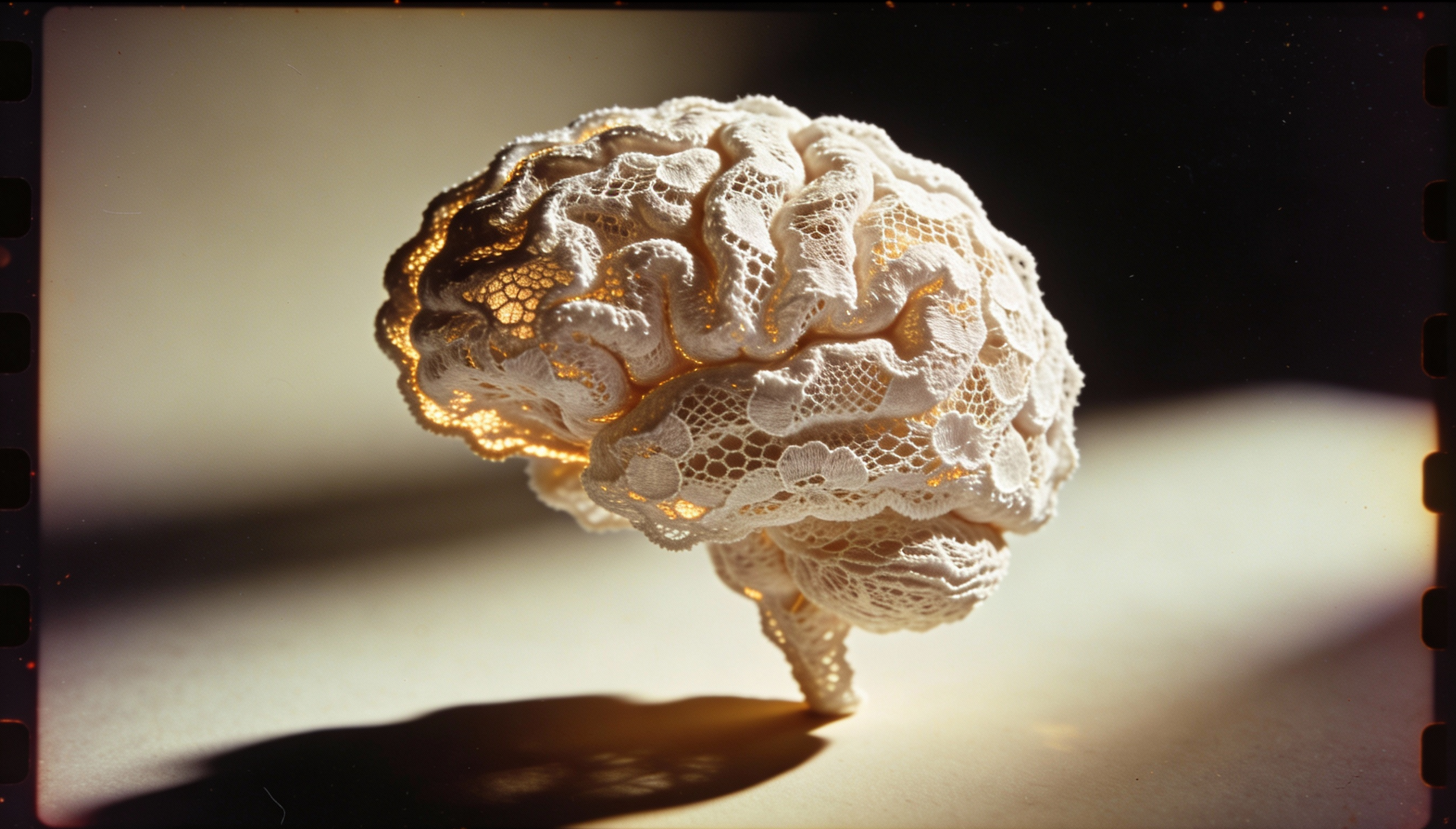
Image Credit: ID Content Production
In other words, audiences are not buying products — they are subconsciously picking up on the presenter's true feelings. We don’t just watch confidence; we neurologically absorb it. We don’t just observe joy; we momentarily inhabit it.
This is the real economic engine behind influencer marketing.
However, the commercial tragedy is that most brands execute this through Performance rather than Presence. And that single mistake is why so much influencer content feels uncanny, desperate, or strangely hollow.
Luxury brands don’t fail because they choose the wrong influencers. They fail because they mistake performance for presence.
Performance vs. Ritual
So what separates a "flop" from successfully authentic pieces of content? It is the difference between an action and a ritual — performance, or rather a lack of it.
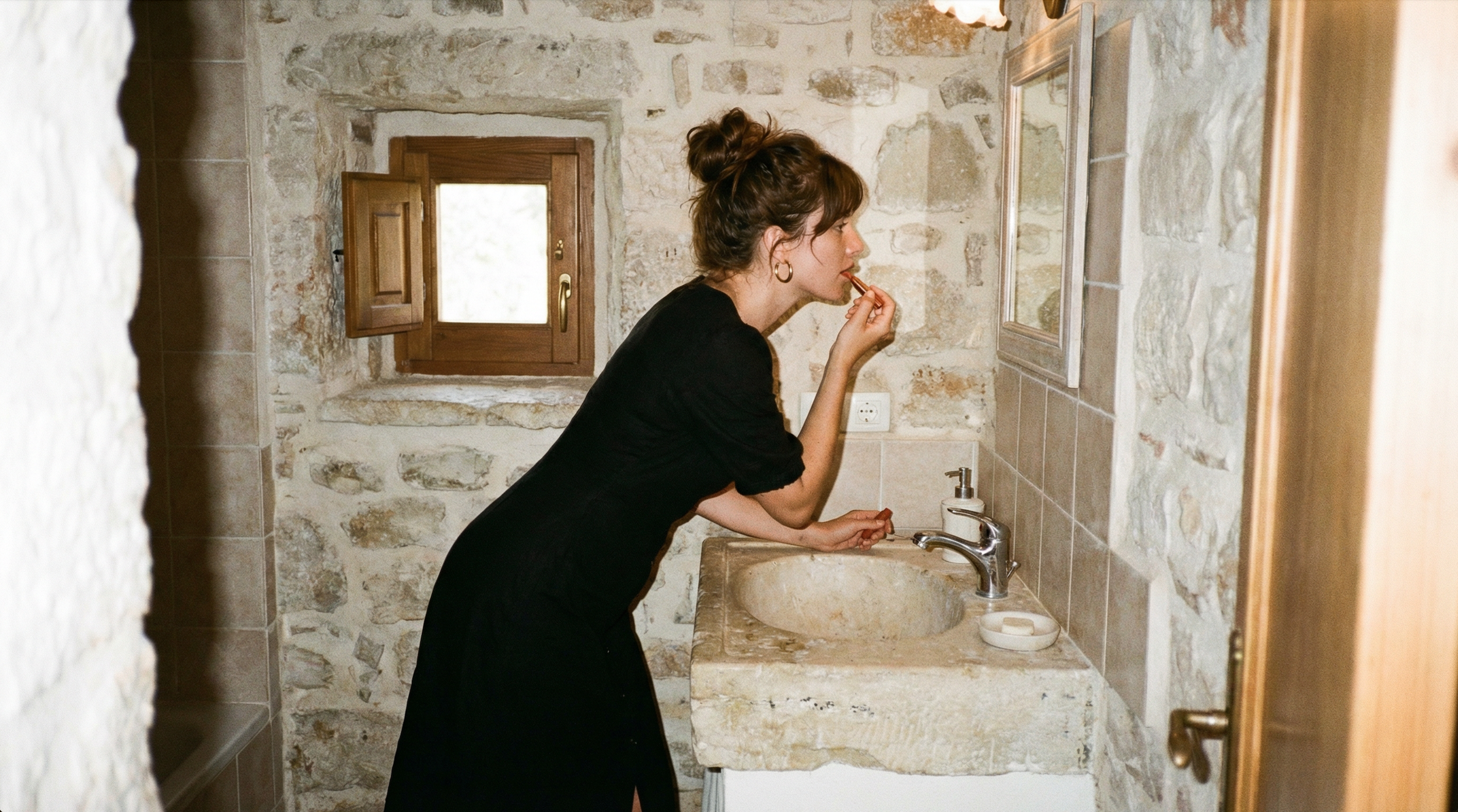
Image Credit: ID Content Production
For instance, in the Art de Vivre movement, the music isn't necessarily “trending" — but it is always appropriate for the influencer’s brand. The routine itself isn't a chore done for the camera; it’s a ritual of self-respect. Whereas when a brand ambassador appears to be "acting" carefree, they ironically signal a lack of self-confidence.
As any marketer worth their salt will tell you: you aren’t selling a product or service, you’re selling an emotion you want the consumer to feel. You’re selling a narrative you consumer wants to be a part of. If your audience senses that your ambassador needs the product to feel confident, the product loses its power. But if the ambassador is already an embodiment of confidence, the product becomes a participant in their narrative — a facilitator to that lifestyle,…
…something that your consumers view as a facilitator to reach that lifestyle themselves.
And yes — the body always betrays which one it is.
But before we get there, we need to understand the movement that has learned how to do this properly.
The Hallmarks of Art de Vivre
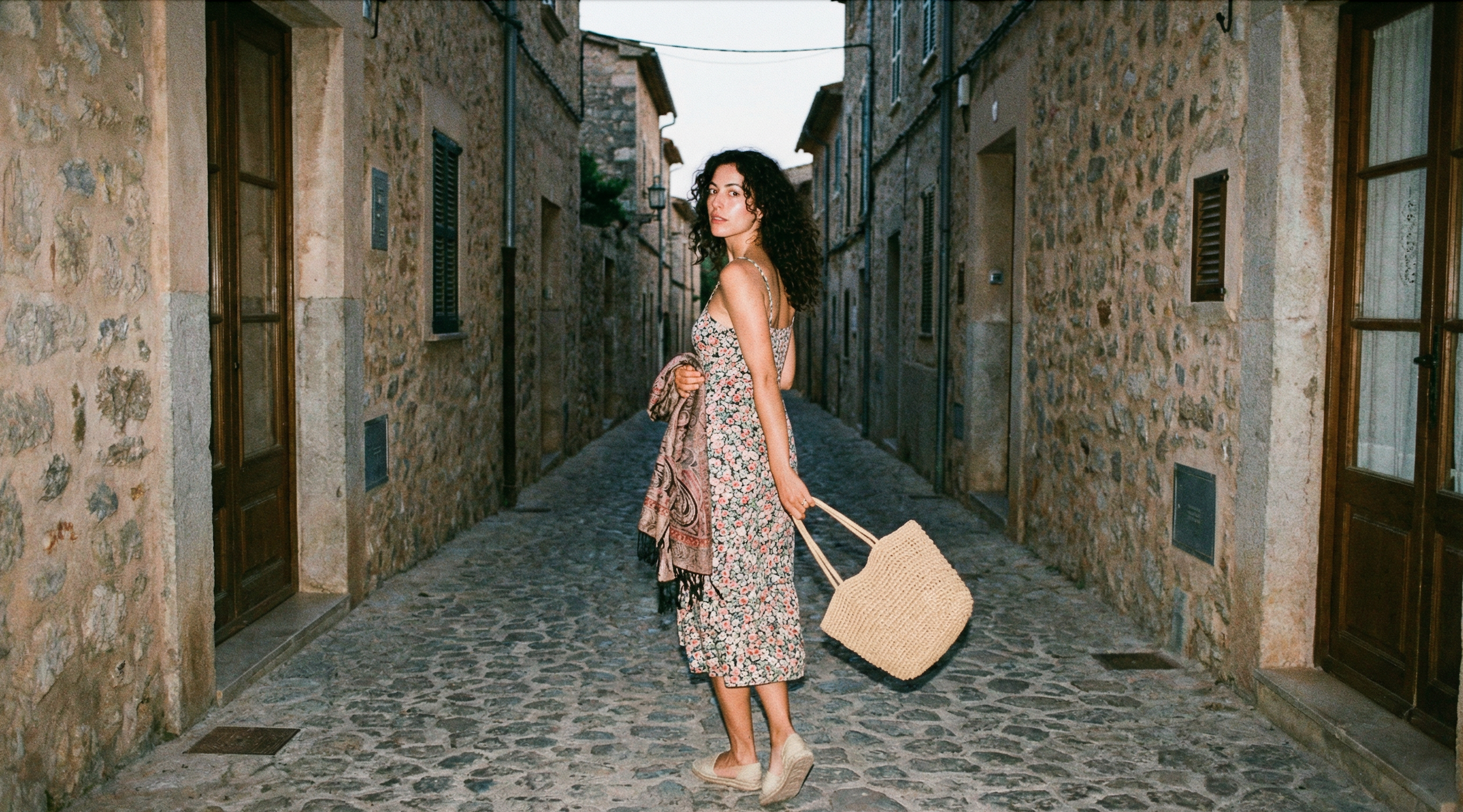
Image Credit: ID Content Production
For heritage and luxury houses, the only viable path forward is the Art de Vivre (Art of Living) movement. This movement isn’t a trend, though — it’s a defensive strategy against a world where perfection is now free.
Unlike the "perfectly polished" era of Instagram (~2014–2018), Art de Vivre — championed on the social front by the likes of Jeanne Damas, Chloe Crane Leroux, and Leanne Ansar — is rooted in four strategic pillars:
The "Effortless" Paradox: A rejection of high-glamour in favour of the "low-maintenance romantic." It prioritises messy hair, minimal make-up, and classic silhouettes.
Side Note: It’s a critical defensive moat for luxury brands against the rise of AI-generated visuals which fast fashion brands have already begun to deploy at scale. While AI can generate "perfect”, it struggles to replicate the specific, human "imperfection" that will now signal status for premium brands.
Curated Chaos: A measured rebellion against the clinical. It is the espresso stain on a linen tablecloth or the slightly blurred motion of a walk through a bistro.
The Old World Backdrop: Even if they’re based in a cities like London or New York, there’s a heavy reliance on Provençal or Mediterranean aesthetics (think sun-drenched balconies and textures) that imply a life lived “outside the scroll”.
Analog Living: A focus on tactile hobbies such as film photography, letter writing, gardening, cooking. This aligns with the "Slow Living" philosophy, which is paramount to luxury because it champions quality that takes time over lower quality but higher yield. Time is treated as the ultimate raw material.
The Movement can be further divided into sub-niches such as:
The Parisian IT Girl: e.g., Jeanne Damas, Sabina Socol
The Poetic Romantic: e.g., Camille Yolaine, Leanne Ansar
The Gastronomic Aestheticist: e.g., Chloe Crane Leroux, Sadia Badiei
Mediterranean Noir: e.g., Paola Cossentino, Laura Caldirola
These niches succeed not because they are beautiful but because they feel lived in.
Which brings us back to the body...
The Creative Director’s Checklist
(or How the Nervous System Exposes Inauthenticity)

Image Credit: ID Content Production
We must look for the physiological "tells" of inauthenticity:
Facial Cues: Genuine smiles (a.k.a., Duchenne smiles) require the involuntary activation of the orbicularis oculi (eye muscles). Posed smiles lack this and appear asymmetrical, or they linger for too long (Ekman et al., 1976). And if the enthusiasm is disproportionate to the context, it’s perceived as self-conscious signaling rather than genuine feeling (Frith, 2009).
Temporal Coordination: Watch for tiny mismatches between speech, gaze, and gesture. Research shows that deception often manifests as a "discoordination" that the viewer’s brain detects as "off" (Poppe et al., 2024).
The Body’s "Adaptors": Subconscious face-touching or clothing-adjusting are known as "adaptors" — gestures used when an individual is uncomfortable (or promoting something they don't believe in). Conversely, “illustrators" — gestures used to naturally punctuate speech — are significantly less frequent in inauthentic content (Ekman et al., 1976).
These are not “nice-to-knows.” These are the subconscious filters your audience uses to decide whether to trust a brand.
The Final Word
Yes, micromanagement isn’t the style for a lot companies, and it’s easier to let influencers and brand ambassadors do their own thing. But remember, creative direction is a multi-way intersection — if you let go of the reins for one slice of content, it could be the difference between your brand being perceived as transformational or “trying too hard”.
And in luxury, trying too hard is the only unforgivable sin.
I hope you all enjoyed my latest little rant (and rave with regards to the Art de Vivre Movement). As always, I’d love to hear from fellow creatives and brand strategists:
Are there any aspects of influencer/brand ambassador performance or production that makes you cringe? Any that make you think about a piece of content weeks later?
Yours in Strategy and Style,
Isabella
Creative Director | Brand Strategist | Consumer Psychologist
Please note: None of the above was AI generated. I just love my em dashes [—].
👉 If you’re looking to reclaim your brand’s heritage while navigating the modern digital landscape, I help brands bridge the gap between historical prestige and contemporary influence. Let’s connect. 🔗
#ArtDeVivre #LuxuryStrategy #BrandAuthenticity #CreativeDirection #ConsumerPsychology #HeritageBranding #GenZMarketing
